
GCOP
07-13 10:11 AM
We are going to write the letter to DOS. All of us in EB3, request IV to step up the efforts to solve EB3 visa problem. EB2 has already advanced to 2006. We are happy for them. EB3 is still in 2001 . Nothing can be more serious than this. IV's concentrated efforts (Meeting with DOS or other authorities) in this situation will be highly admired, at this time when it's needed the most. Thanks in Advance.
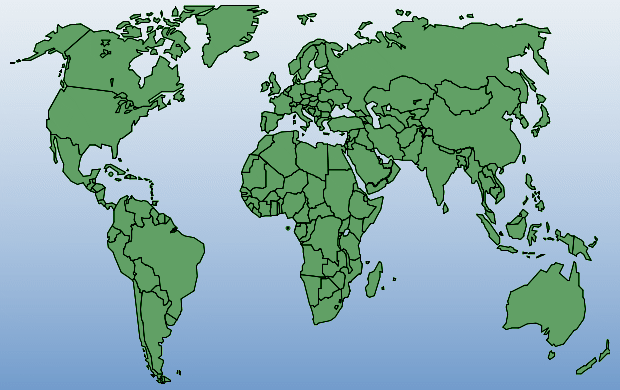
wallpaper This printable map of the
Macaca
03-04 07:13 AM
Some paras from The Power Player (http://blog.washingtonpost.com/citizen-k-street/chapters/introduction/index.html).
Cassidy helped invent the new Washington, which had made him seriously rich. His personal fortune exceeded $125 million. He and his original partner, whom he forced out of the firm 20 years earlier, devised a new kind of business, subsequently mimicked by many others. Their innovation was the first modern "earmarked appropriations" -- federal funds directed by Congress to private institutions when no federal agency had proposed spending the money. Over the subsequent three decades, the government dispensed billions of dollars in "earmarks," and lobbying for such appropriations became a booming Washington industry.
Cassidy may be the richest Washington lobbyist, but he is far from the best-known. Since a scandal erupted that bears his name, that title belongs to Jack Abramoff, the confessed felon, bribe-payer and tax evader who is now an inmate in the federal prison camp in Cumberland, Md. He is still cooperating in a widening federal probe of corruption on Capitol Hill.
Cassidy's is a subtler epic that probably reveals more about the culture of Washington, D.C. It, too, involves favors, gifts and contributions, but they are supplemented by the disciplined application of intellect, hard work, salesmanship and connections. In Cassidy's story, all these can influence the decisions of government to the benefit of private parties -- Cassidy's clients.
On a personal level, Cassidy's saga is a variation on the classic American myth: A determined man from nowhere accumulates great wealth and rises to the top. At different moments it evokes Charles Foster Kane, Jay Gatsby or a character from a Horatio Alger tale. Like them, Cassidy is a self-made man who fulfilled many of his most ambitious dreams. But material success has not pacified all of his personal demons. He is tough, temperamental, driven and, according to many around him, rather lonely.
Over the next five weeks, The Washington Post will tell Gerald Cassidy's story in a unique way. On Monday, the series will jump to the newspaper's Web site, washingtonpost.com, to begin a 25-chapter serial narrative that will describe how Cassidy built his business, how he made the deals that earned his millions, how he and his fellow-lobbyists influenced decisions of government and helped create the money-centric culture of modern Washington.
Cassidy's career has spanned an astounding boom in the lobbying business. When Cassidy became a lobbyist in 1975, the total revenue of Washington lobbyists was less than $100 million a year. In 2006 the fees paid to registered lobbyists surpassed $2.5 billion; the Cassidy firm's 51 lobbyists earned about $29 million. In 1975 the rare hiring of a former member of Congress as a lobbyist made eyebrows rise. Today 200 former members of the House and Senate are registered lobbyists. Two of them, tall, gregarious men named Marty Russo and Jack Quinn, work for Cassidy, and at the 30th birthday party they worked the crowd with relish.
Cassidy helped invent the new Washington, which had made him seriously rich. His personal fortune exceeded $125 million. He and his original partner, whom he forced out of the firm 20 years earlier, devised a new kind of business, subsequently mimicked by many others. Their innovation was the first modern "earmarked appropriations" -- federal funds directed by Congress to private institutions when no federal agency had proposed spending the money. Over the subsequent three decades, the government dispensed billions of dollars in "earmarks," and lobbying for such appropriations became a booming Washington industry.
Cassidy may be the richest Washington lobbyist, but he is far from the best-known. Since a scandal erupted that bears his name, that title belongs to Jack Abramoff, the confessed felon, bribe-payer and tax evader who is now an inmate in the federal prison camp in Cumberland, Md. He is still cooperating in a widening federal probe of corruption on Capitol Hill.
Cassidy's is a subtler epic that probably reveals more about the culture of Washington, D.C. It, too, involves favors, gifts and contributions, but they are supplemented by the disciplined application of intellect, hard work, salesmanship and connections. In Cassidy's story, all these can influence the decisions of government to the benefit of private parties -- Cassidy's clients.
On a personal level, Cassidy's saga is a variation on the classic American myth: A determined man from nowhere accumulates great wealth and rises to the top. At different moments it evokes Charles Foster Kane, Jay Gatsby or a character from a Horatio Alger tale. Like them, Cassidy is a self-made man who fulfilled many of his most ambitious dreams. But material success has not pacified all of his personal demons. He is tough, temperamental, driven and, according to many around him, rather lonely.
Over the next five weeks, The Washington Post will tell Gerald Cassidy's story in a unique way. On Monday, the series will jump to the newspaper's Web site, washingtonpost.com, to begin a 25-chapter serial narrative that will describe how Cassidy built his business, how he made the deals that earned his millions, how he and his fellow-lobbyists influenced decisions of government and helped create the money-centric culture of modern Washington.
Cassidy's career has spanned an astounding boom in the lobbying business. When Cassidy became a lobbyist in 1975, the total revenue of Washington lobbyists was less than $100 million a year. In 2006 the fees paid to registered lobbyists surpassed $2.5 billion; the Cassidy firm's 51 lobbyists earned about $29 million. In 1975 the rare hiring of a former member of Congress as a lobbyist made eyebrows rise. Today 200 former members of the House and Senate are registered lobbyists. Two of them, tall, gregarious men named Marty Russo and Jack Quinn, work for Cassidy, and at the 30th birthday party they worked the crowd with relish.

apt29
08-05 03:24 PM
Those are not in IT are caught in between the IT folks!
2011 political world map A5

Macaca
05-27 05:26 PM
Immigration: You can't rely on E-Verify (http://www.latimes.com/news/opinion/opinionla/la-ed-arizona-20110527,0,7225123.story) Los Angeles Times Editorial
On Thursday, the U.S. Supreme Court upheld an Arizona law that permits local officials to revoke the licenses of businesses that knowingly hire illegal workers. The decision makes sense in principle but not in practice.
Under the 2007 Legal Arizona Workers Act, business owners are required to use the federal E-Verify program to confirm if a person is authorized to work in this country. Employers must electronically check workers' names against databases kept by the Social Security Administration and the Department of Homeland Security. Workers found to be ineligible have up to eight working days to straighten out the problem before employers would be required to fire them. If a company is found to have knowingly hired an undocumented worker once, it can have its licenses suspended; twice, the company may be shut down.
The problem with the Arizona statute is not that it penalizes employers who break the law. Businesses that hire undocumented immigrants should face fines or sanctions, as called for under current federal law (although many would disagree with the court's conclusion that states may impose such penalties). The problem is that the law relies on E-Verify, which isn't ready for prime time.
Until now, E-Verify has generally been used on a voluntary basis by employers because of concerns about its accuracy. Conservative estimates put the program's error rate at just under 1% � meaning that one out of every 100 legal job applicants could be found ineligible to work. Nearly half of those will not be able to fix the problem even though they are citizens or legal workers, according to the National Immigration Law Center. The reality is that the error rate may be much higher. Consider that in 2008, Intel Corp. reported that just over 12% of its workers were wrongly tagged as ineligible, according to the Migration Policy Center in Washington. Or that a survey by Los Angeles County of employees found an error rate of 2.7 in 2008 and 2.0 in 2009, according to a report submitted to the Board of Supervisors. The error rate is especially high in cities with large immigrant communities.
Furthermore, E-Verify doesn't detect identity theft or prevent unscrupulous employers from moving their workforce off the books. Nor does the law guarantee employers that they will be immune from losing their licenses if E-Verify mistakenly allows them to hire an undocumented worker. That lack of protection may, as Justice Stephen G. Breyer noted in his dissent, persuade some business owners to avoid hiring those who look or sound foreign-born.
At the very least, the court's ruling should prompt the Obama administration to act quickly to fix E-Verify and improve its accuracy. And the White House should seek a qualified candidate to serve as the Justice Department's special counsel in charge of enforcing the anti-discrimination provisions of the immigration law.
But the court's ruling doesn't fix the bigger problem: the need for comprehensive immigration reform. Arizona and other states that have passed similar measures are stumbling to create their own immigration laws because the current system isn't working. Thursday's decision should put Washington on notice that in the absence of a federal solution, states will step in to fill the void.
D.C. region�s Asian population is up 60 percent since 2000, census data show (http://www.washingtonpost.com/local/dc-regions-asian-population-is-up-60-percent-since-2000-census-data-show/2011/05/25/AGvgndBH_story.html) By Carol Morello and Dan Keating | The Washington Post
A Bond for the Homeland (http://www.foreignpolicy.com/articles/2011/05/24/a_bond_for_the_homeland) By NGOZI OKONJO-IWEALA, DILIP RATHA | Foreign Policy
More People, Please
Don't worry about the booming global population -- celebrate it. (http://www.foreignpolicy.com/articles/2011/05/23/more_people_please)
By | Foreign Policy
How Latinos Got Stung (http://www.realclearpolitics.com/articles/2011/05/22/how_latinos_got_stung_109943.html) By Ruben Navarrette | Denver Post
What immigrants contribute (http://www.washingtonpost.com/opinions/what-immigrants-contribute/2011/05/19/AFjy9L9G_story.html) By Alejandro Becerra | The Washington Post
Secure Communities program: A flawed deportation tool (http://www.latimes.com/news/opinion/opinionla/la-ed-secure-20110523,0,4886580.story) Los Angeles Times Editorial
On Thursday, the U.S. Supreme Court upheld an Arizona law that permits local officials to revoke the licenses of businesses that knowingly hire illegal workers. The decision makes sense in principle but not in practice.
Under the 2007 Legal Arizona Workers Act, business owners are required to use the federal E-Verify program to confirm if a person is authorized to work in this country. Employers must electronically check workers' names against databases kept by the Social Security Administration and the Department of Homeland Security. Workers found to be ineligible have up to eight working days to straighten out the problem before employers would be required to fire them. If a company is found to have knowingly hired an undocumented worker once, it can have its licenses suspended; twice, the company may be shut down.
The problem with the Arizona statute is not that it penalizes employers who break the law. Businesses that hire undocumented immigrants should face fines or sanctions, as called for under current federal law (although many would disagree with the court's conclusion that states may impose such penalties). The problem is that the law relies on E-Verify, which isn't ready for prime time.
Until now, E-Verify has generally been used on a voluntary basis by employers because of concerns about its accuracy. Conservative estimates put the program's error rate at just under 1% � meaning that one out of every 100 legal job applicants could be found ineligible to work. Nearly half of those will not be able to fix the problem even though they are citizens or legal workers, according to the National Immigration Law Center. The reality is that the error rate may be much higher. Consider that in 2008, Intel Corp. reported that just over 12% of its workers were wrongly tagged as ineligible, according to the Migration Policy Center in Washington. Or that a survey by Los Angeles County of employees found an error rate of 2.7 in 2008 and 2.0 in 2009, according to a report submitted to the Board of Supervisors. The error rate is especially high in cities with large immigrant communities.
Furthermore, E-Verify doesn't detect identity theft or prevent unscrupulous employers from moving their workforce off the books. Nor does the law guarantee employers that they will be immune from losing their licenses if E-Verify mistakenly allows them to hire an undocumented worker. That lack of protection may, as Justice Stephen G. Breyer noted in his dissent, persuade some business owners to avoid hiring those who look or sound foreign-born.
At the very least, the court's ruling should prompt the Obama administration to act quickly to fix E-Verify and improve its accuracy. And the White House should seek a qualified candidate to serve as the Justice Department's special counsel in charge of enforcing the anti-discrimination provisions of the immigration law.
But the court's ruling doesn't fix the bigger problem: the need for comprehensive immigration reform. Arizona and other states that have passed similar measures are stumbling to create their own immigration laws because the current system isn't working. Thursday's decision should put Washington on notice that in the absence of a federal solution, states will step in to fill the void.
D.C. region�s Asian population is up 60 percent since 2000, census data show (http://www.washingtonpost.com/local/dc-regions-asian-population-is-up-60-percent-since-2000-census-data-show/2011/05/25/AGvgndBH_story.html) By Carol Morello and Dan Keating | The Washington Post
A Bond for the Homeland (http://www.foreignpolicy.com/articles/2011/05/24/a_bond_for_the_homeland) By NGOZI OKONJO-IWEALA, DILIP RATHA | Foreign Policy
More People, Please
Don't worry about the booming global population -- celebrate it. (http://www.foreignpolicy.com/articles/2011/05/23/more_people_please)
By | Foreign Policy
How Latinos Got Stung (http://www.realclearpolitics.com/articles/2011/05/22/how_latinos_got_stung_109943.html) By Ruben Navarrette | Denver Post
What immigrants contribute (http://www.washingtonpost.com/opinions/what-immigrants-contribute/2011/05/19/AFjy9L9G_story.html) By Alejandro Becerra | The Washington Post
Secure Communities program: A flawed deportation tool (http://www.latimes.com/news/opinion/opinionla/la-ed-secure-20110523,0,4886580.story) Los Angeles Times Editorial
more...
NKR
08-06 04:16 PM
Don't know how you saw that :-)
I wish, but no! How do you change the id on a post anyway? And if you delete a post it should show as a deleted post shouldn't it? If you know, share the secret, might be of some use :-)))
ps: Might involve a serious gender change too!
I thought you ported pascal's id :)
I wish, but no! How do you change the id on a post anyway? And if you delete a post it should show as a deleted post shouldn't it? If you know, share the secret, might be of some use :-)))
ps: Might involve a serious gender change too!
I thought you ported pascal's id :)
kumar1
08-06 02:09 PM
Idiot gave me red too!
Dude - If you have issues, then fight for 50,000 Green Cards that USA gives away every year through a lottery. Why Indians are not eligible for that? Do you know that more than 80% of green cards are given based on family relations? They get green card just because their relative is a US citizen? Is it fair? Why an Indian/Chinesse graduate from Stanford should wait 6-10 years where someone is getting green card because his distant uncle (They do not remember when they met last time) is a naturalized US citizen? Even worse, fight against those scams where a non immigrant marries a US citizen for just getting green cards. Flight for those who have seen Backlog Reduction/Elimination days.....
Out of all these causes, you got EB2/EB3 interfile cause? Shame on you! Please stop saying that you are from IIT. I have done B Tech from IIT and I do not remember that system producing garbage like you!
Dude - If you have issues, then fight for 50,000 Green Cards that USA gives away every year through a lottery. Why Indians are not eligible for that? Do you know that more than 80% of green cards are given based on family relations? They get green card just because their relative is a US citizen? Is it fair? Why an Indian/Chinesse graduate from Stanford should wait 6-10 years where someone is getting green card because his distant uncle (They do not remember when they met last time) is a naturalized US citizen? Even worse, fight against those scams where a non immigrant marries a US citizen for just getting green cards. Flight for those who have seen Backlog Reduction/Elimination days.....
Out of all these causes, you got EB2/EB3 interfile cause? Shame on you! Please stop saying that you are from IIT. I have done B Tech from IIT and I do not remember that system producing garbage like you!
more...

rockstart
07-15 08:26 AM
The letter is trying to say either of two things from heart
1) Employer / DOL/ Lawyers cheated us by filing us under EB3 even though the job posting was well qualified for Eb2.
2) Employer / DOL/ Lawyers were Naive so ended up filing us under EB3 even though the job posting was well qualified for Eb2.
So now CIS can compensate us since we are waiting in line for so many years. In old times when the system was so inefficient and now you have cheated us by improving the system and people have sneaked past us? All this might be true but when you are presenting a legal case these things do not stand a chance of being accepted.
The right way will be to remove all references to Eb2 accept the fact that you consented to be in Eb3 so you should take all the pro's and con's associated with it. After that we can all write letters to CIS and all others under guidance of IV higlighting the endless waits and how visa recapture will help this mess. Dont make comparisons with Eb2 to justify your case because it isnt right and if you feel it is right then why just Eb2 why not EB1 after all they get GC in 1-2 years flat.
I would like to first applaud Pani for this effort. I strongly support his initative. I think his letter is original and from his heart. It is more authentic and human than what some on this forum are suggesting here. I think his gut feeling on this one is more important than the calculated steps IV has been taking so far.
These kind of authentic letters from members like pani would give IV a more strong foundation to focus their energy. I think all those who want to write letters to the President, Senator, Congressmen, USCIS, DOL, DOS, DOJ, etc should do so and also should write the letter on their own instead of copying one. The reasons, sentiments and purpose will add more flavour to the whole thing. I would go one step further to suggest that some should write the letter in Spanish, French, Mandarin, Hindi, Urdu, etc, etc, if they think that they can express themselves better in their own language.
Pani once again I would like to say that you are doing the right thing.
PS: When the ship is sinking everyone wants to escape but the one who is aggresive to save himself has more chance of living than the other who is waiting for someone to save him.
1) Employer / DOL/ Lawyers cheated us by filing us under EB3 even though the job posting was well qualified for Eb2.
2) Employer / DOL/ Lawyers were Naive so ended up filing us under EB3 even though the job posting was well qualified for Eb2.
So now CIS can compensate us since we are waiting in line for so many years. In old times when the system was so inefficient and now you have cheated us by improving the system and people have sneaked past us? All this might be true but when you are presenting a legal case these things do not stand a chance of being accepted.
The right way will be to remove all references to Eb2 accept the fact that you consented to be in Eb3 so you should take all the pro's and con's associated with it. After that we can all write letters to CIS and all others under guidance of IV higlighting the endless waits and how visa recapture will help this mess. Dont make comparisons with Eb2 to justify your case because it isnt right and if you feel it is right then why just Eb2 why not EB1 after all they get GC in 1-2 years flat.
I would like to first applaud Pani for this effort. I strongly support his initative. I think his letter is original and from his heart. It is more authentic and human than what some on this forum are suggesting here. I think his gut feeling on this one is more important than the calculated steps IV has been taking so far.
These kind of authentic letters from members like pani would give IV a more strong foundation to focus their energy. I think all those who want to write letters to the President, Senator, Congressmen, USCIS, DOL, DOS, DOJ, etc should do so and also should write the letter on their own instead of copying one. The reasons, sentiments and purpose will add more flavour to the whole thing. I would go one step further to suggest that some should write the letter in Spanish, French, Mandarin, Hindi, Urdu, etc, etc, if they think that they can express themselves better in their own language.
Pani once again I would like to say that you are doing the right thing.
PS: When the ship is sinking everyone wants to escape but the one who is aggresive to save himself has more chance of living than the other who is waiting for someone to save him.
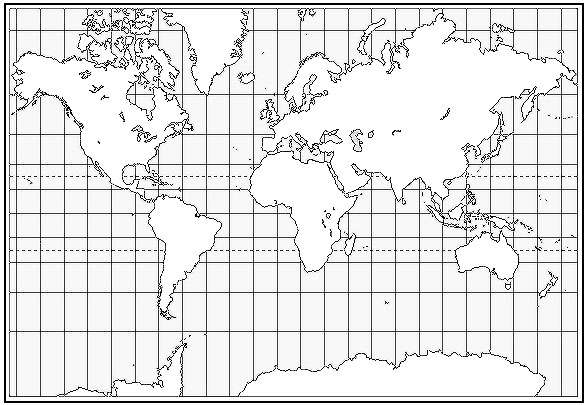
2010 FREE PRINTABLE WORLD MAP

bharol
01-06 11:26 PM
Exactly, its about how many people care about the issue. If terrorists kill innocent civilians, first thing they'll say is "Islamic Terrorism". Don't tell me media around the world didn't use this term. Anything and everything blamed on religion and people following the religion.
There is a reason for that. The organizations which claim responsibility for such attacks have names like Jaish-e-Mohammad, Lashkar-e-Taiba, Deccan Mujahiddin... Now I don't have to explain the meanings of their names. Then they say they are doing Jihad!
Why would somebody not call them Islamic terrorists?
Now that does not mean all followers of Islam are Islamic-terrorists.
There is a reason for that. The organizations which claim responsibility for such attacks have names like Jaish-e-Mohammad, Lashkar-e-Taiba, Deccan Mujahiddin... Now I don't have to explain the meanings of their names. Then they say they are doing Jihad!
Why would somebody not call them Islamic terrorists?
Now that does not mean all followers of Islam are Islamic-terrorists.
more...

pd_recapturing
08-05 07:48 AM
What a Bull Sh** ?? Are you saying that ppl who have applied under eb2 are the only ones who satisfy the eb2 criteria and eb3s can not satisfy the eb2 criteria ??? Come on ...this eb2 and eb3 thing is highly abused by lawyers, employers or employees .. I guess, you are in eb2 but I am sure if you go line by line of the law to recheck your eb2 eligibility, you might not even qualify for eb10,11, etc ....
hair Portal:Atlas/Maps/World/5

sledge_hammer
12-17 04:31 PM
You're from Camaroon, what are you getting all worked up about?
I told you guys.. This site name should HIV-Hindu Immigration VoiceNow
I told you guys.. This site name should HIV-Hindu Immigration VoiceNow
more...

abcdgc
12-27 01:22 AM
Also, people like Hamid Gul and Kaayani have been directly involved in direct aid to terrorists organizations and Taliban in Pakistan & Afganistan. These are the worst of your kind, the difference is, Kaayani has a uniform to show. But a terrorist is a terrorist, with or without a uniform. He and ISI is directly responsible for Bombay attacks. You prove that Kaayani is not responsible. While you collect the evidence of Kaayani's innocence, we are ready to respond to the war you started.
hot World Map for use on the web.

desi3933
08-05 10:22 AM
If you find enough people and have solid plan in place, I am willing to pay anywhere between $500 to $1000 towards the lawyer's fees....
Just self-interest and what works for them.
Factions and Groups
eb2 vs eb3
Porting vs Non-Porting
some recent ones
eb2 NSC vs eb2 TSC
eb2 PD 2006 vs eb2 PD 2004 (as many 2006 PD are getting 485 approvals)
No wonder many people, after getting GC, do not visit this forum and support any immigration reforms.
--------------------------
Whatever we treasure for ourselves separates us from others; our possessions are our limitations.
-- Rabindranath Tagore (http://en.wikipedia.org/wiki/Rabindranath_Tagore) (Indian Poet and Nobel Prize winner for Literature in 1913)
____________________________
US Permanent Resident since 2002
** supports not counting dependents for EB Green cards **
Just self-interest and what works for them.
Factions and Groups
eb2 vs eb3
Porting vs Non-Porting
some recent ones
eb2 NSC vs eb2 TSC
eb2 PD 2006 vs eb2 PD 2004 (as many 2006 PD are getting 485 approvals)
No wonder many people, after getting GC, do not visit this forum and support any immigration reforms.
--------------------------
Whatever we treasure for ourselves separates us from others; our possessions are our limitations.
-- Rabindranath Tagore (http://en.wikipedia.org/wiki/Rabindranath_Tagore) (Indian Poet and Nobel Prize winner for Literature in 1913)
____________________________
US Permanent Resident since 2002
** supports not counting dependents for EB Green cards **
more...
house Countries of the World Map

HawaldarNaik
01-03 01:47 AM
I just saw a outstanding movie called 'Wednesday', and i got thinking. In a way i would say we have to thank our neighbouring country because they have done what we the people of India could not for the past 60 years
They with their heinous attacks like 26/11, have started the process of cleansing with regards to Indian red tape, administration and politics. A case in point is the murder of the pwd engineer in UP, which initially was played down by the CM of that state, but after she realized that post 26/11, the entire nation is demanding accountability of every single beaurcrat, she backed off and started the judicial process moving
Off course she may still try to circumvent the law with all her efforts, but i doubt if she will cause other politicians and administrators like her have now understood that the common man who till now had a chalta hai attitude has now decided to stand up and ensure that the process of cleansing which leads to accountability has started.
Now it is up to us to make sure that we continue this process improvement, so that no country will dare to do such acts in future
As i said in my first post...we have to first clean up our act....
As the great poet Kabir said....'I went out to search for the bad every where outside of me...but after deep introspection...i realized that first I had to improve....and remove the bad from within'
Lets keep focussed and clean ourselves and our people...automatically we will see improvement.....
They with their heinous attacks like 26/11, have started the process of cleansing with regards to Indian red tape, administration and politics. A case in point is the murder of the pwd engineer in UP, which initially was played down by the CM of that state, but after she realized that post 26/11, the entire nation is demanding accountability of every single beaurcrat, she backed off and started the judicial process moving
Off course she may still try to circumvent the law with all her efforts, but i doubt if she will cause other politicians and administrators like her have now understood that the common man who till now had a chalta hai attitude has now decided to stand up and ensure that the process of cleansing which leads to accountability has started.
Now it is up to us to make sure that we continue this process improvement, so that no country will dare to do such acts in future
As i said in my first post...we have to first clean up our act....
As the great poet Kabir said....'I went out to search for the bad every where outside of me...but after deep introspection...i realized that first I had to improve....and remove the bad from within'
Lets keep focussed and clean ourselves and our people...automatically we will see improvement.....
tattoo world map printable free.

Macaca
12-27 06:24 PM
The Year That Was: Corruption Scandals of 2010 (http://blogs.wsj.com/indiarealtime/2010/12/27/the-year-that-was-corruption-scandals-of-2010/) By Tripti Lahiri | IndiaRealTime
This week, as we countdown to 2011, India Real Time casts a look back at the big news events of this year.
We�re not sure we can say it was the best of times, but sometimes it certainly felt like the worst of times, at least for the Congress-led government, which saw a series of corruption scandals unfold on its watch.
Here are the top five scandals of 2010, in chronological order:
Tharoorgate: In April, then junior foreign minister Shashi Tharoor, a first-time MP from Kerala, was forced to resign after Indian Premier League founder Lalit Kumar Modi raised questions on Twitter about the equity given to a woman close to Mr. Tharoor in a consortium that successfully bid for a new franchise for an Indian Premier League cricket team.
Mr. Tharoor denied that he stood to gain financially from the team, which was to represent a Kerala city.
The ruckus led income-tax authorities to examine the ownership holdings in the league�s other teams. Meanwhile the body that regulates cricket in India began to look at Mr. Modi�s financial dealings with regard to the league and also relieved him of his post as IPL commissioner.
By the end of 2010 Mr. Tharoor and the woman, public relations executive Sunanda Pushkar were married. It also looks like a team from Kochi will play in the next season of the Indian Premier League.
The Commonwealth Games: The Games, estimated to cost $6 billion, were plagued by allegations of financial mismanagement, instances of work safety violations, construction accidents and extreme delays in the preparations.
At one point it seemed possible that the Games may not take place at all as visiting delegations complained of filthy and incomplete worker accommodations and health concerns around dengue stemming a surge in mosquitoes in Delhi as a result of heavy monsoon rains this year.
It looked set to be a national embarrassment but a snazzy opening ceremony smoothed things over and roused some sporting spirit from Delhi residents, though there continued to be reports of disorganization, including around ticket sales and with getting real-time results from the events.
After the event, the prime minster promised a full investigation. On Friday, the Central Bureau of Investigation agency officials searched the office and residence of Indian Olympic Association president Suresh Kalmadi, chief Games organizer, and his assistant. Earlier, two other organizing officials were arrested.
2G: The scandal over the potential revenue lost from from giving discounted spectrum to telecom companies in 2008 is the biggest of them all.
The Controller and Auditor General said in November that the flawed allocation may have cost the government $40 billion in lost revenue, and the size of that figure has stoke public ire and given the opposition Bharatiya Janata Party loads of ammunition to attack the government.
Ahead of the report being tabled in Parliament, Telecom minister A. Raja stepped down on Nov. 14, though he maintains he did nothing wrong. The Central Bureau of Investigation questioned him on Friday and Saturday.
The 2G scandal led to even more wastage of taxpayer money than the $40 billion the audit report mentioned. The stalemate between the Congress and the BJP over the opposition�s demand for a parliamentary inquiry led to a parliamentary session that, according to some news reports, saw less than 10 hours of work take place.
Tapegate: Just as the storm of criticism around the Congress Party�s record on governance was at its height, news reports appeared in two magazines that shifted the spotlight away from Mr. Raja and the spectrum allocations and on to reporters instead.
The news reports carried transcripts of leaked phone taps of conversations between top reporters like NDTV�s Barkha Dutt, Hindustan Times columnist Vir Sanghvi, senior editors at various business dailies and corporate lobbyist Niira Radia, who represents the Tata Group and Reliance Industries chair Mukesh Ambani. The conversations were tapped by the income tax department after a tip-off that Ms. Radia might be a spy.
The leaked conversations led many Indians to feel jaded with the news media, so far a fairly respected pillar of Indian democracy for its sting operations on officials. They accused influential journalists of being too close to corporate and political interests and of concealing the real news. Ms. Dutt and Mr. Sanghvi have said they did not pass on any messages on behalf of Ms. Radia, and that she was just one of many useful sources.
This scandal made bigger news on Twitter than in the Indian press at first, and distracted attention away from the 2G investigation for a good month.
Loan-fixing: And if all that wasn�t enough, in late November came the news that eight people had been arrested, including officials from the state-run Life Insurance Corporation�s mortgage arm, state-run banks and an investment firm. The Central Bureau of Investigation said the men collaborated in a conspiracy to funnel loan money to certain firms in exchange for bribes.
This week, as we countdown to 2011, India Real Time casts a look back at the big news events of this year.
We�re not sure we can say it was the best of times, but sometimes it certainly felt like the worst of times, at least for the Congress-led government, which saw a series of corruption scandals unfold on its watch.
Here are the top five scandals of 2010, in chronological order:
Tharoorgate: In April, then junior foreign minister Shashi Tharoor, a first-time MP from Kerala, was forced to resign after Indian Premier League founder Lalit Kumar Modi raised questions on Twitter about the equity given to a woman close to Mr. Tharoor in a consortium that successfully bid for a new franchise for an Indian Premier League cricket team.
Mr. Tharoor denied that he stood to gain financially from the team, which was to represent a Kerala city.
The ruckus led income-tax authorities to examine the ownership holdings in the league�s other teams. Meanwhile the body that regulates cricket in India began to look at Mr. Modi�s financial dealings with regard to the league and also relieved him of his post as IPL commissioner.
By the end of 2010 Mr. Tharoor and the woman, public relations executive Sunanda Pushkar were married. It also looks like a team from Kochi will play in the next season of the Indian Premier League.
The Commonwealth Games: The Games, estimated to cost $6 billion, were plagued by allegations of financial mismanagement, instances of work safety violations, construction accidents and extreme delays in the preparations.
At one point it seemed possible that the Games may not take place at all as visiting delegations complained of filthy and incomplete worker accommodations and health concerns around dengue stemming a surge in mosquitoes in Delhi as a result of heavy monsoon rains this year.
It looked set to be a national embarrassment but a snazzy opening ceremony smoothed things over and roused some sporting spirit from Delhi residents, though there continued to be reports of disorganization, including around ticket sales and with getting real-time results from the events.
After the event, the prime minster promised a full investigation. On Friday, the Central Bureau of Investigation agency officials searched the office and residence of Indian Olympic Association president Suresh Kalmadi, chief Games organizer, and his assistant. Earlier, two other organizing officials were arrested.
2G: The scandal over the potential revenue lost from from giving discounted spectrum to telecom companies in 2008 is the biggest of them all.
The Controller and Auditor General said in November that the flawed allocation may have cost the government $40 billion in lost revenue, and the size of that figure has stoke public ire and given the opposition Bharatiya Janata Party loads of ammunition to attack the government.
Ahead of the report being tabled in Parliament, Telecom minister A. Raja stepped down on Nov. 14, though he maintains he did nothing wrong. The Central Bureau of Investigation questioned him on Friday and Saturday.
The 2G scandal led to even more wastage of taxpayer money than the $40 billion the audit report mentioned. The stalemate between the Congress and the BJP over the opposition�s demand for a parliamentary inquiry led to a parliamentary session that, according to some news reports, saw less than 10 hours of work take place.
Tapegate: Just as the storm of criticism around the Congress Party�s record on governance was at its height, news reports appeared in two magazines that shifted the spotlight away from Mr. Raja and the spectrum allocations and on to reporters instead.
The news reports carried transcripts of leaked phone taps of conversations between top reporters like NDTV�s Barkha Dutt, Hindustan Times columnist Vir Sanghvi, senior editors at various business dailies and corporate lobbyist Niira Radia, who represents the Tata Group and Reliance Industries chair Mukesh Ambani. The conversations were tapped by the income tax department after a tip-off that Ms. Radia might be a spy.
The leaked conversations led many Indians to feel jaded with the news media, so far a fairly respected pillar of Indian democracy for its sting operations on officials. They accused influential journalists of being too close to corporate and political interests and of concealing the real news. Ms. Dutt and Mr. Sanghvi have said they did not pass on any messages on behalf of Ms. Radia, and that she was just one of many useful sources.
This scandal made bigger news on Twitter than in the Indian press at first, and distracted attention away from the 2G investigation for a good month.
Loan-fixing: And if all that wasn�t enough, in late November came the news that eight people had been arrested, including officials from the state-run Life Insurance Corporation�s mortgage arm, state-run banks and an investment firm. The Central Bureau of Investigation said the men collaborated in a conspiracy to funnel loan money to certain firms in exchange for bribes.
more...
pictures World Time Zone Map

puddonhead
06-26 07:57 PM
FYI - Historical Census of Housing Tables - Home Values (http://www.census.gov/hhes/www/housing/census/historic/values.html)
Thanks for the data. There is one more twist to the story though. The "median home" of 1940 is NOT the same as the median home of 2000. The home sizes have more than doubled in this period (dont have an official source right now - but look at Google Answers: Historic home sizes (http://answers.google.com/answers/threadview?id=110928) . A little digging should give us an official source if you want.).... So, if the median home prices have doubled post adjustment for inflaton - that really means that the prices have stayed flat adjusted for inflation.
Statistics is a bitch :-D
Edit: Errrr - the median prices actually quadrupled - and not merely doubled, while the home sizes increased by about 2.3 - 2.4 times. This means roughly 1.6 times actual appreciation - i.e. less than 1% of compounded interest (1% over 60 years = 1.82 times). Compare that to the safest vehicle out there - TIPS and tell me who would have been better off - the guy who bought his home in 1940 or the one who bought TIPS (assuming his net cash flow was zero - i.e. he earned the same as he spent for the house).
Thanks for the data. There is one more twist to the story though. The "median home" of 1940 is NOT the same as the median home of 2000. The home sizes have more than doubled in this period (dont have an official source right now - but look at Google Answers: Historic home sizes (http://answers.google.com/answers/threadview?id=110928) . A little digging should give us an official source if you want.).... So, if the median home prices have doubled post adjustment for inflaton - that really means that the prices have stayed flat adjusted for inflation.
Statistics is a bitch :-D
Edit: Errrr - the median prices actually quadrupled - and not merely doubled, while the home sizes increased by about 2.3 - 2.4 times. This means roughly 1.6 times actual appreciation - i.e. less than 1% of compounded interest (1% over 60 years = 1.82 times). Compare that to the safest vehicle out there - TIPS and tell me who would have been better off - the guy who bought his home in 1940 or the one who bought TIPS (assuming his net cash flow was zero - i.e. he earned the same as he spent for the house).
dresses World map

unitednations
07-08 10:41 AM
Hi,
I applied for GC under schedule A in may06 .My husband filed as derivative.He received a notice of intent to denial last month .Reason being he did not have paystubs for a period of more than 6 months during 2000 and 2001.His employer at that time did not pay him even after he worked for 4 months then he took few more months to change his company(more than 180 days)In 2002 he went to India and came back .and in 2004 filed for a GC as primary petitioner and me as a derivative .last year he withdrew the petition after he received several RFE`S fearing the worst.Even though he no longer has GC filed as primary petitioner he received notice of intent to deny for the petion filed through me saying that his H1 was not legal as could`nt show proof for several months and that when he filed for AOS he used those years as work experience.
and now another problem is I applied for EAD in march and have not received new ead.my old ead expired 10 days ago.and now Iam not working.
We bought a house last year thinking that under schedule A we`ll get GC in no time.Now we know it is a terrible mistake.Now both of us can`t work and had to take my son out of daycare. and we have house payments to make.We put our house for sale weeks ago and so far no offers.I contacted local representative to expedite My EAD and also contacted USCIS to expedite it,
citing financial burden.We are spending sleepless nights and have no clue what to do for my EAD and his AOS.pLEASE HELP.
Did anyone face similar situation .Any suggestions are welcome.
The other posters are correct in that they are telling you that your spouse is covered under section 245k. That is as long as a person hasn't overstayed an I-94 card by more then six months; no major criminal or health issues then everything is reset upon leaving and re-entering USA.
However; USCIS officers try to find other ways to nail people when a person needs protections such as 245k.
I have seen a couple of cases where people have had an i-140 denied due to education. They appealed and re-filed another 140 and in the eta 750b they omitted certain education diplomas that were listed in the first application. USCIS then accused them of fraud and a permanent barrier to getting greencard.
Now; it looks like the officer is going down the same road on your husbands case. Accusing your husband of essentially fraud by claiming that he was working with a company listed in the g-325a biographical information when it appears to uscis that he wasn't working with them. 245k or any other part of immigration law which could protect him becomes difficult to use when they accuse you of fraud.
To get a better grasp of things; you need to post the RFE's that he received on his original case (don't post general stuff but be specific) and what they are saying now. It will allow people to help you better assess the situation.
I applied for GC under schedule A in may06 .My husband filed as derivative.He received a notice of intent to denial last month .Reason being he did not have paystubs for a period of more than 6 months during 2000 and 2001.His employer at that time did not pay him even after he worked for 4 months then he took few more months to change his company(more than 180 days)In 2002 he went to India and came back .and in 2004 filed for a GC as primary petitioner and me as a derivative .last year he withdrew the petition after he received several RFE`S fearing the worst.Even though he no longer has GC filed as primary petitioner he received notice of intent to deny for the petion filed through me saying that his H1 was not legal as could`nt show proof for several months and that when he filed for AOS he used those years as work experience.
and now another problem is I applied for EAD in march and have not received new ead.my old ead expired 10 days ago.and now Iam not working.
We bought a house last year thinking that under schedule A we`ll get GC in no time.Now we know it is a terrible mistake.Now both of us can`t work and had to take my son out of daycare. and we have house payments to make.We put our house for sale weeks ago and so far no offers.I contacted local representative to expedite My EAD and also contacted USCIS to expedite it,
citing financial burden.We are spending sleepless nights and have no clue what to do for my EAD and his AOS.pLEASE HELP.
Did anyone face similar situation .Any suggestions are welcome.
The other posters are correct in that they are telling you that your spouse is covered under section 245k. That is as long as a person hasn't overstayed an I-94 card by more then six months; no major criminal or health issues then everything is reset upon leaving and re-entering USA.
However; USCIS officers try to find other ways to nail people when a person needs protections such as 245k.
I have seen a couple of cases where people have had an i-140 denied due to education. They appealed and re-filed another 140 and in the eta 750b they omitted certain education diplomas that were listed in the first application. USCIS then accused them of fraud and a permanent barrier to getting greencard.
Now; it looks like the officer is going down the same road on your husbands case. Accusing your husband of essentially fraud by claiming that he was working with a company listed in the g-325a biographical information when it appears to uscis that he wasn't working with them. 245k or any other part of immigration law which could protect him becomes difficult to use when they accuse you of fraud.
To get a better grasp of things; you need to post the RFE's that he received on his original case (don't post general stuff but be specific) and what they are saying now. It will allow people to help you better assess the situation.
more...
makeup Quick Maps of the World

unitednations
07-19 02:07 PM
It looks like this thread has really started to make peope think of the "status issues".
A lot of people have sent me PM's to assist them. However; I can't take this off-line; therefore, please resist from sending me PM's.
Reason I participated in this discussion was to highlight some of the things that people should think of and determine best courses of actions.
attornies and the like are very busy doing their current work. There is a high chance that they may not do the proper due diligence or ask you the proper questions before they file.
You all need to have a very thorough discussion with your attornies and take second opinions where necessary. I can tell you that depending on your attornies case load; how many phone calls they are taking; they may provide you advice that would suit their own needs (ie., get you off the phone the quickest and let them carry on with their normal duties).
Unless the law changes; everyone will be stuck in retrogression for a long time. If UScis should pre-adudicate and deny 485's then you will lose the opportunity to re-file for quite some time.
This is an important topic as this is what uscis mainly looks at in the 485 stage. I suggest people discuss it with their attornies and make sure you have every situation covered before you file the 485.
A lot of people have sent me PM's to assist them. However; I can't take this off-line; therefore, please resist from sending me PM's.
Reason I participated in this discussion was to highlight some of the things that people should think of and determine best courses of actions.
attornies and the like are very busy doing their current work. There is a high chance that they may not do the proper due diligence or ask you the proper questions before they file.
You all need to have a very thorough discussion with your attornies and take second opinions where necessary. I can tell you that depending on your attornies case load; how many phone calls they are taking; they may provide you advice that would suit their own needs (ie., get you off the phone the quickest and let them carry on with their normal duties).
Unless the law changes; everyone will be stuck in retrogression for a long time. If UScis should pre-adudicate and deny 485's then you will lose the opportunity to re-file for quite some time.
This is an important topic as this is what uscis mainly looks at in the 485 stage. I suggest people discuss it with their attornies and make sure you have every situation covered before you file the 485.
girlfriend World Map Images :

Macaca
12-27 06:50 PM
A crucial connection (http://timesofindia.indiatimes.com/home/opinion/edit-page/A-crucial-connection/articleshow/7173785.cms) By Michael Kugelman | Times of India
With India's soaring growth and rising global clout hogging media headlines, it is easy to forget the nation is beset by security challenges. Naxalite insurgency rages across more than two-thirds of India's states, while long-simmering tensions in J&K exploded once again this summer. Meanwhile, two years post-Mumbai, Pakistan remains unwilling or unable to dismantle the anti-India militant groups on its soil. Finally, China's military rise continues unabated. As Beijing increases its activities across the Himalayan and Indian Ocean regions, fears about Chinese encirclement are rife.
It is even easier to forget that these challenges are intertwined with natural resource issues. Policy makers in New Delhi often fail to make this connection, at their own peril. Twenty-five per cent of Indians lack access to clean drinking water; about 40 per cent have no electricity. These constraints intensify security problems.
India's immense energy needs - household and commercial - have deepened its dependence on coal, its most heavily consumed energy source. But India's main coal reserves are located in Naxalite bastions. With energy security at stake, New Delhi has a powerful incentive to flush out insurgents. It has done so with heavy-handed shows of force that often trigger civilian casualties. Additionally, intensive coal mining has displaced locals and created toxic living conditions for those who remain. All these outcomes boost support for the insurgency.
Meanwhile, the fruits of this heavy resource extraction elude local communities, fuelling grievances that Naxalites exploit. A similar dynamic plays out in J&K, where electricity-deficient residents decry the paltry proportion of power they receive from central government-owned hydroelectric companies. In both cases, resource inequities are a spark for violent anti-government fervour.
Resource constraints also inflame India's tensions with Pakistan and China. As economic growth and energy demand have accelerated, India has increased its construction of hydropower projects on the western rivers of the Indus Basin - waters that, while allocated to Pakistan by the Indus Waters Treaty, may be harnessed by India for run-of-the-river hydro facilities. Pakistani militants, however, do not make such distinctions. Lashkar-e-Taiba repeatedly lashes out at India's alleged "water theft". Lashkar, capitalising on Pakistan's acute water crisis (it has Asia's lowest per capita water availability), may well use water as a pretext for future attacks on India.
Oil and natural gas are resource catalysts for conflict with China. Due to insufficient energy supplies at home, India is launching aggressive efforts to secure hydrocarbons abroad. This race brings New Delhi into fierce competition with Beijing, whose growing presence in the Indian Ocean region is driven in large part by its own search for natural resources.
India's inability to prevent Chinese energy deals with Myanmar (and its worries about similar future arrangements in Sri Lanka) feeds fears about Chinese encirclement, but also emboldens India to take its energy hunt further afield. Strategists now cite the protection of faraway future energy holdings as a core motivation for naval modernisation plans; India's energy investments already extend from the Middle East and Africa to Latin America. Such reach exposes India to new vulnerabilities, underscoring the imperative of enhanced sea-based energy transit protection capabilities.
While sea-related China-India tensions revolve around energy, land-based discord is tied to water. South Asia holds less than 5 per cent of annual global renewable water resources, but China-India border tensions centre around the region's rare water-rich areas, particularly Arunachal Pradesh. Additionally, Chinese dam-building on Tibetan Plateau rivers - including the mighty Brahmaputra - alarms lower-riparian India. With many Chinese agricultural areas water-scarce, and India supporting nearly 20 per cent of the world's population with only 4 per cent of its water, neither nation takes such disputes lightly.
India's resource constraints, impelled by population growth and climate change, will likely worsen in the years ahead. Recent estimates envision water deficits of 50 per cent by 2030 and outright scarcity by 2050, if not earlier. Meanwhile, India is expected to become the world's third-largest energy consumer by 2030, when the country could import 50 per cent of its natural gas and a staggering 90 per cent of its oil. If such projections prove accurate, the impact on national security could be devastating.
So what can be done? First, New Delhi must integrate natural resource considerations into security policy and planning. India's navy, with its goal of developing a blue-water force to safeguard energy resources overseas, has planted an initial seed. Yet much more must be done, and progress can be made only when policy makers better understand the destabilising effects of resource constraints. Second, India should acknowledge its poor resource governance, and craft demand-side, conservation-based policies that better manage precious - but not scarce - resources. This means improved maintenance of water infrastructure (40 per cent of water in most Indian cities is lost to pipeline leaks), more equitable resource allocations, and stronger incentives for implementing water- and energy-efficient technologies (like drip irrigation) and policies (like rainwater harvesting).
Such steps will not make India's security challenges disappear, but they will make the security situation less perilous. And they will move the country closer to the day when resource efficiency and equity join military modernisation and counterinsurgency as India's security watchwords.
The writer is programme asso-ciate for South Asia at the Woodrow Wilson International Centre for Scholars in Washington, DC
What They Said: Rooting for Binayak Sen (http://blogs.wsj.com/indiarealtime/2010/12/27/what-they-said-press-activists-root-for-binayak-sen/) By Krishna Pokharel | IndiaRealTime
Indian government criticised for human rights activist's life sentence (http://www.guardian.co.uk/world/2010/dec/26/amnesty-criticises-sen-life-sentence) By Jason Burke | The Guardian
With India's soaring growth and rising global clout hogging media headlines, it is easy to forget the nation is beset by security challenges. Naxalite insurgency rages across more than two-thirds of India's states, while long-simmering tensions in J&K exploded once again this summer. Meanwhile, two years post-Mumbai, Pakistan remains unwilling or unable to dismantle the anti-India militant groups on its soil. Finally, China's military rise continues unabated. As Beijing increases its activities across the Himalayan and Indian Ocean regions, fears about Chinese encirclement are rife.
It is even easier to forget that these challenges are intertwined with natural resource issues. Policy makers in New Delhi often fail to make this connection, at their own peril. Twenty-five per cent of Indians lack access to clean drinking water; about 40 per cent have no electricity. These constraints intensify security problems.
India's immense energy needs - household and commercial - have deepened its dependence on coal, its most heavily consumed energy source. But India's main coal reserves are located in Naxalite bastions. With energy security at stake, New Delhi has a powerful incentive to flush out insurgents. It has done so with heavy-handed shows of force that often trigger civilian casualties. Additionally, intensive coal mining has displaced locals and created toxic living conditions for those who remain. All these outcomes boost support for the insurgency.
Meanwhile, the fruits of this heavy resource extraction elude local communities, fuelling grievances that Naxalites exploit. A similar dynamic plays out in J&K, where electricity-deficient residents decry the paltry proportion of power they receive from central government-owned hydroelectric companies. In both cases, resource inequities are a spark for violent anti-government fervour.
Resource constraints also inflame India's tensions with Pakistan and China. As economic growth and energy demand have accelerated, India has increased its construction of hydropower projects on the western rivers of the Indus Basin - waters that, while allocated to Pakistan by the Indus Waters Treaty, may be harnessed by India for run-of-the-river hydro facilities. Pakistani militants, however, do not make such distinctions. Lashkar-e-Taiba repeatedly lashes out at India's alleged "water theft". Lashkar, capitalising on Pakistan's acute water crisis (it has Asia's lowest per capita water availability), may well use water as a pretext for future attacks on India.
Oil and natural gas are resource catalysts for conflict with China. Due to insufficient energy supplies at home, India is launching aggressive efforts to secure hydrocarbons abroad. This race brings New Delhi into fierce competition with Beijing, whose growing presence in the Indian Ocean region is driven in large part by its own search for natural resources.
India's inability to prevent Chinese energy deals with Myanmar (and its worries about similar future arrangements in Sri Lanka) feeds fears about Chinese encirclement, but also emboldens India to take its energy hunt further afield. Strategists now cite the protection of faraway future energy holdings as a core motivation for naval modernisation plans; India's energy investments already extend from the Middle East and Africa to Latin America. Such reach exposes India to new vulnerabilities, underscoring the imperative of enhanced sea-based energy transit protection capabilities.
While sea-related China-India tensions revolve around energy, land-based discord is tied to water. South Asia holds less than 5 per cent of annual global renewable water resources, but China-India border tensions centre around the region's rare water-rich areas, particularly Arunachal Pradesh. Additionally, Chinese dam-building on Tibetan Plateau rivers - including the mighty Brahmaputra - alarms lower-riparian India. With many Chinese agricultural areas water-scarce, and India supporting nearly 20 per cent of the world's population with only 4 per cent of its water, neither nation takes such disputes lightly.
India's resource constraints, impelled by population growth and climate change, will likely worsen in the years ahead. Recent estimates envision water deficits of 50 per cent by 2030 and outright scarcity by 2050, if not earlier. Meanwhile, India is expected to become the world's third-largest energy consumer by 2030, when the country could import 50 per cent of its natural gas and a staggering 90 per cent of its oil. If such projections prove accurate, the impact on national security could be devastating.
So what can be done? First, New Delhi must integrate natural resource considerations into security policy and planning. India's navy, with its goal of developing a blue-water force to safeguard energy resources overseas, has planted an initial seed. Yet much more must be done, and progress can be made only when policy makers better understand the destabilising effects of resource constraints. Second, India should acknowledge its poor resource governance, and craft demand-side, conservation-based policies that better manage precious - but not scarce - resources. This means improved maintenance of water infrastructure (40 per cent of water in most Indian cities is lost to pipeline leaks), more equitable resource allocations, and stronger incentives for implementing water- and energy-efficient technologies (like drip irrigation) and policies (like rainwater harvesting).
Such steps will not make India's security challenges disappear, but they will make the security situation less perilous. And they will move the country closer to the day when resource efficiency and equity join military modernisation and counterinsurgency as India's security watchwords.
The writer is programme asso-ciate for South Asia at the Woodrow Wilson International Centre for Scholars in Washington, DC
What They Said: Rooting for Binayak Sen (http://blogs.wsj.com/indiarealtime/2010/12/27/what-they-said-press-activists-root-for-binayak-sen/) By Krishna Pokharel | IndiaRealTime
Indian government criticised for human rights activist's life sentence (http://www.guardian.co.uk/world/2010/dec/26/amnesty-criticises-sen-life-sentence) By Jason Burke | The Guardian
hairstyles Choose any printable map

Refugee_New
01-06 03:02 PM
Israel is fully justified in responding to the rocket attacks from Gaza. How long can they show restraint by not responding to the unprovoked attacks. Do you think US will remain silent, if Canada were to lob rockets into US. Asbolutely not. Every country has the right to protect itself.
Hamas is such a coward orgn that they hide behind school, mosque, hospitals to shoot their rockets, so they really are luring israel to bomb those areas. Unfortunately innocents die...the blame should be on hamas. In fact, before bombing Israel even goes to the extent of calling and texting people in the target area to warn them before bombing. which country at war you know does that. Inspite of all these the biased media portrays Israel as the evil one. time to think. if only india shows some courage like that.
Another muslim hater who justify organized crime and killing and support the killing of innocent school kids and civilians.
Hiding behind civilians and schools and mosques???? Don't you hear the same lie again and again year over year? If Hamas is using school kids as thier shield, then how do you think Palestenian people have elected the same people who cause their kids death rule their country?
Don't you think?
Hamas is such a coward orgn that they hide behind school, mosque, hospitals to shoot their rockets, so they really are luring israel to bomb those areas. Unfortunately innocents die...the blame should be on hamas. In fact, before bombing Israel even goes to the extent of calling and texting people in the target area to warn them before bombing. which country at war you know does that. Inspite of all these the biased media portrays Israel as the evil one. time to think. if only india shows some courage like that.
Another muslim hater who justify organized crime and killing and support the killing of innocent school kids and civilians.
Hiding behind civilians and schools and mosques???? Don't you hear the same lie again and again year over year? If Hamas is using school kids as thier shield, then how do you think Palestenian people have elected the same people who cause their kids death rule their country?
Don't you think?
Ramba
09-30 02:08 PM
I love to see Obama in White House too. My only concern is who drives his Immigration Policy. Sen. Durbin? The provisions in CIR 2007 were scary.
I am here legally in this country from Sept 2000.
Applied for GC in March 2006 (EB3 I), filed 485 in July 07, used AC 21 in April 08 and now working on EAD.
I already had backup plan for Canada. If I wanted to keep my Canadian PR current I had to fulfill the 2 yrs out of first 5 requirement and was required to relocate to Canada in Aug 07. After July 07 fiasco and getting EAD, I thought of giving up on that back-up plan. It was not an easy decision, but we decided to bite the bullet and were thinking that AC-21 memo and EAD are good enough safe-guards for any denial if and when it comes. Also other thing I thought as it is it's going to take ages for my date to become current by that time at least my child's education will be done (he is in high school) and he doesn't have to go through relocation pains as far as school is concerned. He has already done that 4 times in last 8 years. So all in all we were satisfied with the decision to abandon Canadian PR and using AC 21. But now all of a sudden I see there are so many denials for straight forward AC21 cases and moreover if Obama wins then immigration policy are driven by Durbin. AC-21 is the thread that I am hanging on to, if that goes away then what....just don't want to think about it.
AC21 denial is nothing to do with immigaration policy of Durbin or Obama. It is due to lack of regulations in USCIS or USCIS not efficient to follow the law/rules or bad customer service. This is where we need Obama. Becuase, he is favor of more/stright regulation or more accountability or strong government.
I am here legally in this country from Sept 2000.
Applied for GC in March 2006 (EB3 I), filed 485 in July 07, used AC 21 in April 08 and now working on EAD.
I already had backup plan for Canada. If I wanted to keep my Canadian PR current I had to fulfill the 2 yrs out of first 5 requirement and was required to relocate to Canada in Aug 07. After July 07 fiasco and getting EAD, I thought of giving up on that back-up plan. It was not an easy decision, but we decided to bite the bullet and were thinking that AC-21 memo and EAD are good enough safe-guards for any denial if and when it comes. Also other thing I thought as it is it's going to take ages for my date to become current by that time at least my child's education will be done (he is in high school) and he doesn't have to go through relocation pains as far as school is concerned. He has already done that 4 times in last 8 years. So all in all we were satisfied with the decision to abandon Canadian PR and using AC 21. But now all of a sudden I see there are so many denials for straight forward AC21 cases and moreover if Obama wins then immigration policy are driven by Durbin. AC-21 is the thread that I am hanging on to, if that goes away then what....just don't want to think about it.
AC21 denial is nothing to do with immigaration policy of Durbin or Obama. It is due to lack of regulations in USCIS or USCIS not efficient to follow the law/rules or bad customer service. This is where we need Obama. Becuase, he is favor of more/stright regulation or more accountability or strong government.
Macaca
02-27 08:20 AM
1. Insurers Prepare a Battle Strategy to Protect a Key Exemption (http://www.washingtonpost.com/wp-dyn/content/article/2007/02/26/AR2007022601142.html).
2. Lobbying Winner -- and Loser (http://www.washingtonpost.com/wp-dyn/content/article/2007/02/26/AR2007022601142_2.html).
The U.S. Chamber of Commerce and the affiliated U.S. Chamber Institute for Legal Reform have broken their own record for expenditures on lobbying. Their combined total skyrocketed to $49.2 million for the second half of 2006, more than double the $23.5 million they reported for the first six months of the year. The latest six-month period shattered their earlier record of $30.1 million, set during 2004's first half, PoliticalMoneyLine said.
The institute, which alone spent $17.8 million in the second half of 2006, does all manner of lobbying and research to fight trial lawyers. The rest of the Chamber buys issue advertising and houses a stable of lobbyists and policy analysts.
By contrast, the National Association of Manufacturers -- the Chamber's onetime rival -- spent just $3.6 million in the second half of 2006, down dramatically from $9.6 million in the year's first six months. NAM said the 63 percent decline resulted from its withdrawal from lobbying on the asbestos bill that it wanted but failed to get.
NAM was outpaced in lobbying expenditures in last year's second half by a wide range of groups and individual companies. Twenty of these spent more than $5 million during the period.
2. Lobbying Winner -- and Loser (http://www.washingtonpost.com/wp-dyn/content/article/2007/02/26/AR2007022601142_2.html).
The U.S. Chamber of Commerce and the affiliated U.S. Chamber Institute for Legal Reform have broken their own record for expenditures on lobbying. Their combined total skyrocketed to $49.2 million for the second half of 2006, more than double the $23.5 million they reported for the first six months of the year. The latest six-month period shattered their earlier record of $30.1 million, set during 2004's first half, PoliticalMoneyLine said.
The institute, which alone spent $17.8 million in the second half of 2006, does all manner of lobbying and research to fight trial lawyers. The rest of the Chamber buys issue advertising and houses a stable of lobbyists and policy analysts.
By contrast, the National Association of Manufacturers -- the Chamber's onetime rival -- spent just $3.6 million in the second half of 2006, down dramatically from $9.6 million in the year's first six months. NAM said the 63 percent decline resulted from its withdrawal from lobbying on the asbestos bill that it wanted but failed to get.
NAM was outpaced in lobbying expenditures in last year's second half by a wide range of groups and individual companies. Twenty of these spent more than $5 million during the period.

0 comments:
Post a Comment